BULLWALL FOR NIS2 RANSOMWARE COMPLIANCE
How is Ransomware Affecting Your Peers?

Key Report findings
Ransomware is now recognized by boards and regulators as a top-tier business risk. Attackers continue to bypass preventative controls through stolen credentials, remote access, and evolving extortion tactics. The result is a resilience deficit.
27%
20%
13%
What You'll Find in the BullWall 2026 Ransomware Resilience Benchmark Report
Once dismissed as a technical nuisance, boards and regulators now recognize ransomware as a top-tier business risk. The 2026 Ransomware Resilience Benchmark Report presents the perspectives of hundreds of cybersecurity professionals from diverse industries, who share their experiences with ransomware, approaches to prevention, and goals for recovery.
Our findings confirm what incident responders already know: while awareness is high, true preparedness is far less certain. Leaders express confidence in their ability to recover, yet real-world experience shows recovery timelines often stretch from days into months.
Read our report to see how your ransomware defenses align with peers, where dangerous gaps still remain, and the actions required to shift from misplaced confidence to proven ransomware resilience.
Why Ransomware Is Still Rising in 2026
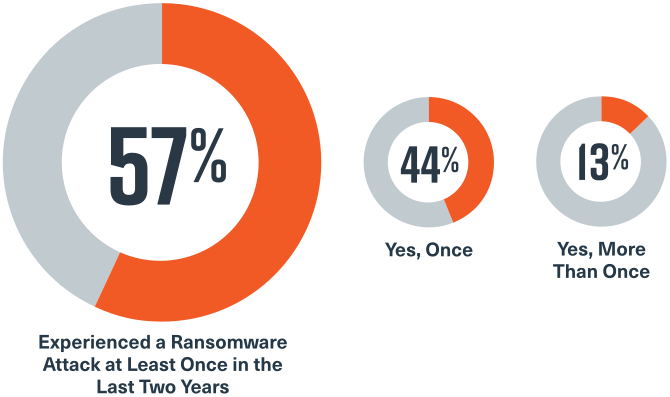
More than half of organizations reported experiencing a ransomware attack in the last two years. Some were hit multiple times. These are not isolated IT disruptions. They are enterprise-wide crises that halt operations, disrupt supply chains, and put lives at risk in critical sectors, such as healthcare.
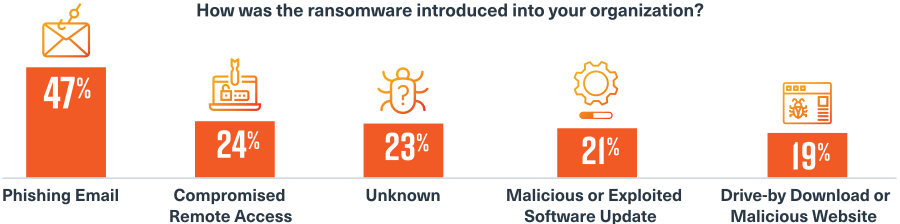
Despite years of investment in prevention tools, attackers continue to find ways to gain access. Phishing remains the most common entry point, followed by compromised remote access and malicious or exploited software updates.
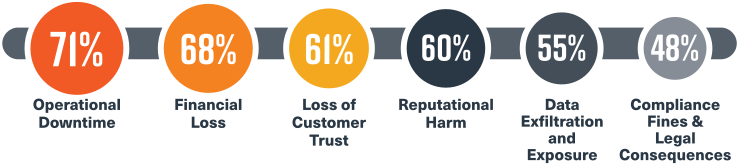
Once traditional defenses are bypassed, attackers use stolen credentials and employ layered extortion tactics that extend beyond file encryption. The results can lead to operational downtime, financial losses, reputational damage, compliance issues, and other adverse consequences.
The confidence gap
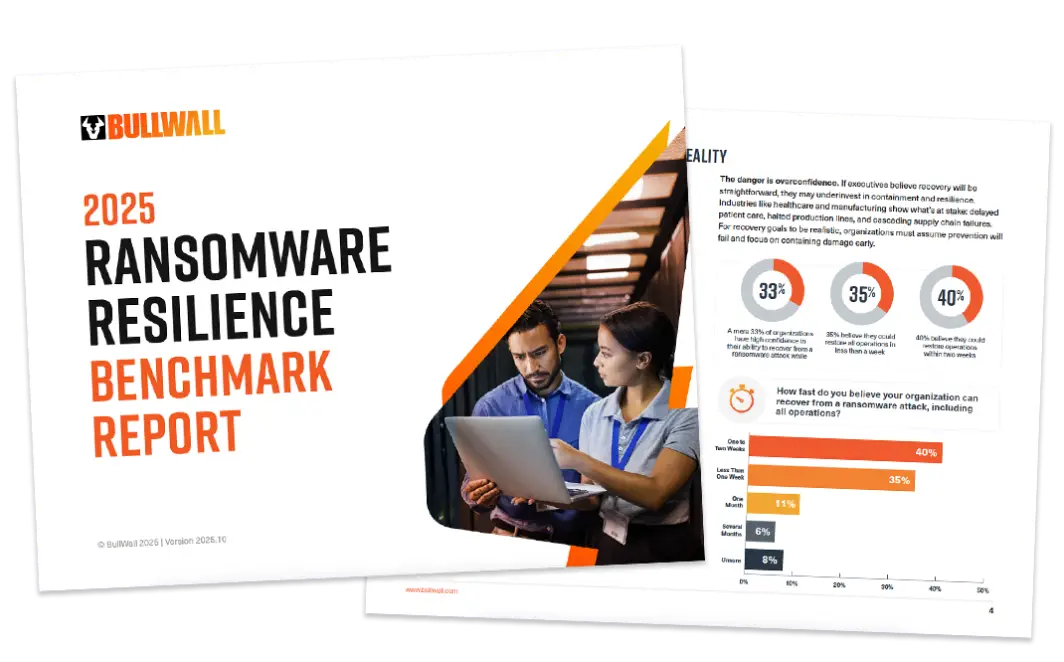
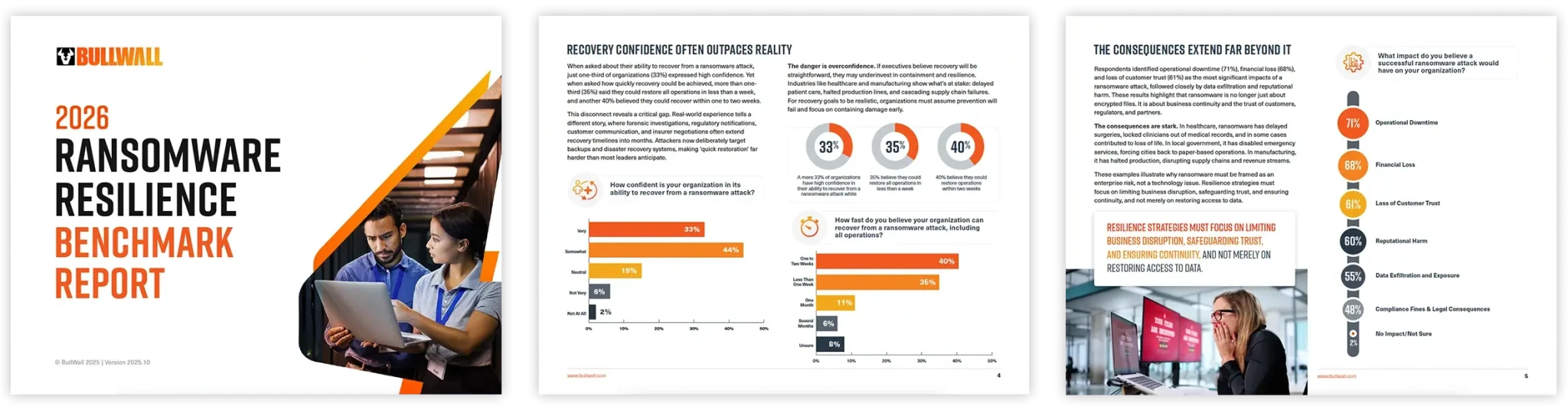
When asked about their ability to recover from a ransomware attack, just one-third of organizations (33%) expressed high confidence. Yet when asked how quickly they believed they could achieve recovery, more than one-third (35%) said they could restore all operations in less than a week, and another 40% thought they could recover within one to two weeks.
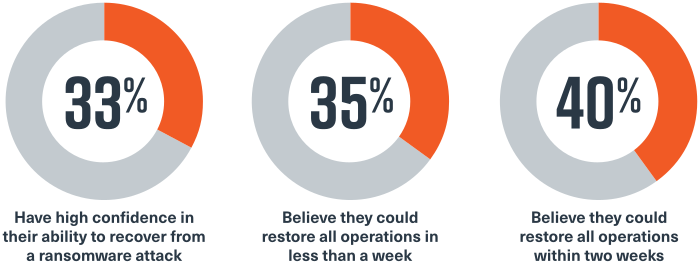
This disconnect highlights a significant disparity between perception and reality. Real-world experience suggests that forensic investigations, regulatory notifications, customer communication, and insurer negotiations frequently extend recovery timelines by months. Attackers now deliberately target backups and disaster recovery systems, making 'quick restoration' far more complex than most leaders anticipate.
the real business impact of ransomware
Ransomware is not just about encrypted files. Survey respondents believed that operational downtime (71%), financial loss (68%), and loss of customer trust (61%) are the most damaging impacts of an attack. Data exfiltration and reputational harm follow closely.
The consequences are stark. In healthcare, ransomware has delayed patient care and prevented clinicians from accessing medical records. In local government, it has disabled emergency services, forcing cities back to paper-based operations. In manufacturing, ransomware has halted production, disrupting supply chains and revenue streams.
Insurers and regulators are increasingly dictating ransomware strategies, with many now prohibiting ransom payments. This pressure is creating a compliance-first culture that does not always translate to true resilience.
ransomware containment is the missing layer
Email security (55%), MFA (55%), and endpoint detection tools (43%) are the most common defenses in place, with many also using MDR, SIEM, and IAM. This investment in prevention is encouraging, although the steady rise of successful ransomware incidents highlights the limitations of these controls.
Attackers exploit misconfigurations, bypass detection, and leverage stolen credentials to evade preventive layers. The over-reliance on prevention creates a resilience gap. Once an attacker gains a foothold, containment and recovery measures must take over. Without these layers, even well-defended organizations risk crippling downtime.
what you will find in the full 2026 ransomware report
The 2026 Ransomware Resilience Benchmark provides:
- How your organization's ransomware defenses compare to peers
- Where critical resilence gaps still exist
- How frequently organizations are being hit by ransomware
- How the impact extends far beyond IT to operations, revenue, and reputation
- The practical steps required to move from misplaced confidence to proven ransomware resilience